
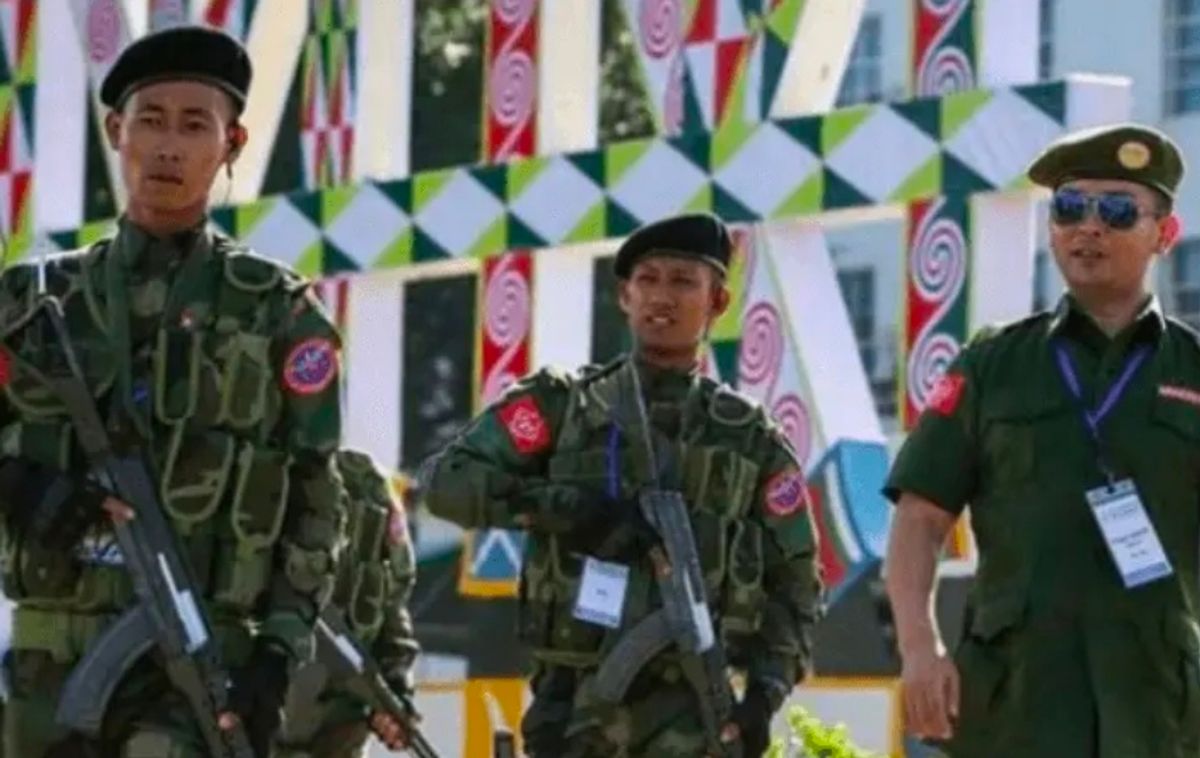
Dhaka — Analysts and regional observers are raising concerns over what they describe as contradictions in the Arakan Army’s approach toward Bangladesh, warning that uncertainty surrounding its policies and actions could complicate Rohingya repatriation efforts and regional stability.
The concerns come amid discussions about possible cross border engagement and trade relations involving areas under the control of the Arakan Army in Rakhine State. Observers say the group’s public outreach toward Bangladesh contrasts with ongoing allegations of extortion, parallel administration, and a lack of clear commitments regarding the rights and future status of Rohingya communities.
Local sources and analysts have accused the Arakan Army of operating informal systems of taxation and forced financial contributions in territories under its control. Businesses and civilians in some areas have reportedly faced pressure to provide payments or support.
Critics argue that these allegations raise serious questions about governance, accountability, and whether deeper economic engagement could unintentionally strengthen informal financial networks operating outside recognized state structures.
Security experts have also expressed caution regarding the group’s statements on drug trafficking and regional militancy. While the Arakan Army has publicly spoken about combating narcotics networks and armed activity, analysts note that armed groups operating in border regions have historically been linked, directly or indirectly, to illicit economies.
Observers further say that accusations made against Rohingya armed groups and other external actors may increase tensions if they are not supported by independent verification.
Bangladesh continues to host more than one million Rohingya refugees in camps across Cox’s Bazar, making developments in Rakhine State closely tied to both humanitarian and security concerns for Dhaka.
Policy experts say any future engagement with armed actors across the border should be approached carefully. They argue that Bangladesh must first seek clear positions regarding minority rights, citizenship issues, repatriation policies, and adherence to international standards before considering broader cooperation.


