
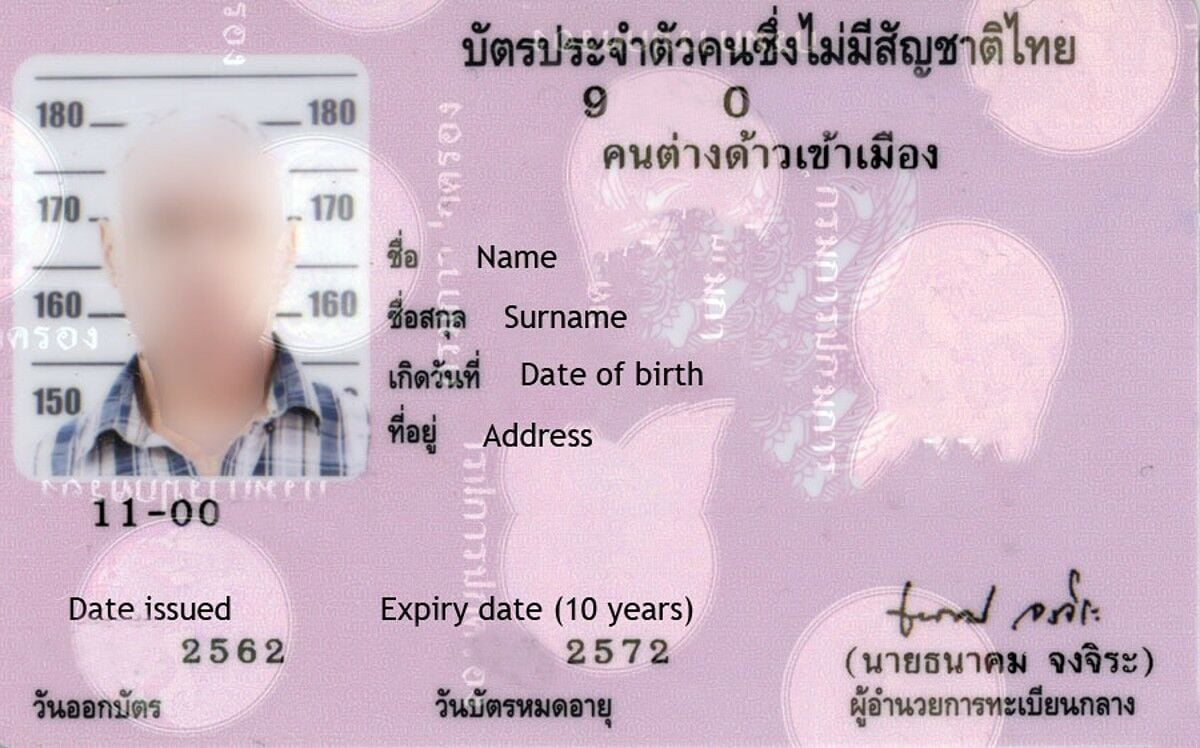
BANGKOK, Thailand: Thailand is in the final stages of rolling out a landmark identity card program for Myanmar refugees, with officials and United Nations observers visiting registration sites this week ahead of full national implementation scheduled for June 17.
The program, which issues a Non-Thai Identity Card, known locally as the pink card allows Myanmar refugees to legally reside and work in Thailand. It follows a Cabinet Resolution passed on August 26, 2025, which first opened the door to legal employment for refugees living in the country's temporary shelters.
United Nations High Commissioner for Refugees officials visited the Population and Census Office in Bangkok and Pathum Thani Province this week to observe the pilot program in action and met with refugees who are already working outside the camps. UNHCR welcomed Thailand's Ministry of Interior announcement in May, praising the Royal Thai Government's efforts to strengthen documentation for a refugee population that has lived in Thailand for decades.
For many of those refugees, the card represents something they have waited years for a legal identity, the ability to work openly, and freedom from the constant fear of arrest and deportation.
"It is time for us to open our eyes and ears," said Siwawong Sooktawee of the Thai Civil Society Network, which assists Burmese migrant workers. "The program that the Thai government and UNHCR are providing is a good opportunity for refugees. We need to seize the opportunity that we have."
Sooktawee also noted that food supplies in the refugee camps are gradually running low, making the timing of the program all the more critical. He described the initiative as an important foundation for Thai society going forward.
The numbers reflect the scale of need. In the nine refugee camps along the Thai-Myanmar border, 3,570 people have already been granted permission to work outside the camps in the nine months since the program began. More than 40,000 refugees are reported to be ready and willing to work outside the camps, according to the director of the Border Affairs and Refugee Division.
Refugees working outside the camps can apply for the identity card at the relevant Township Administration offices in any district they are located in. For those still living inside the camps, the program is scheduled to reach the refugee settlements in Tak province in August.


