
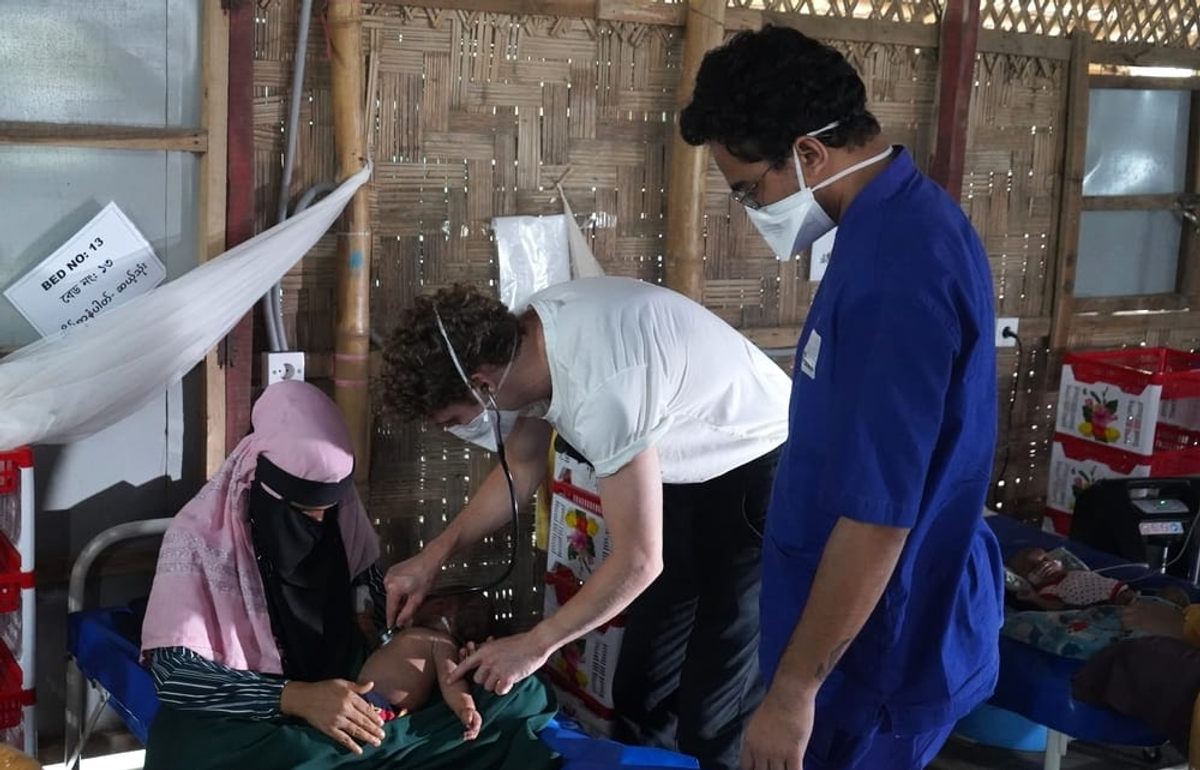
COX'S BAZAR, Bangladesh: Nearly nine years after Bangladesh opened its borders to hundreds of thousands of Rohingya fleeing violence in Myanmar, medical humanitarian organisation Doctors Without Borders, known internationally as Médecins Sans Frontières (MSF), has warned that needs in Cox's Bazar continue to grow while support for the broader humanitarian response is steadily shrinking.
In a report published on June 25, 2026, written jointly by Elko Brummelman, MSF's country representative in Bangladesh, and Muhammad Hubaib, a Rohingya refugee and MSF camp-based team member, the organisation said the crisis is far from over and that families are still arriving from Myanmar with stories of violence, forced recruitment, extortion, and fear.
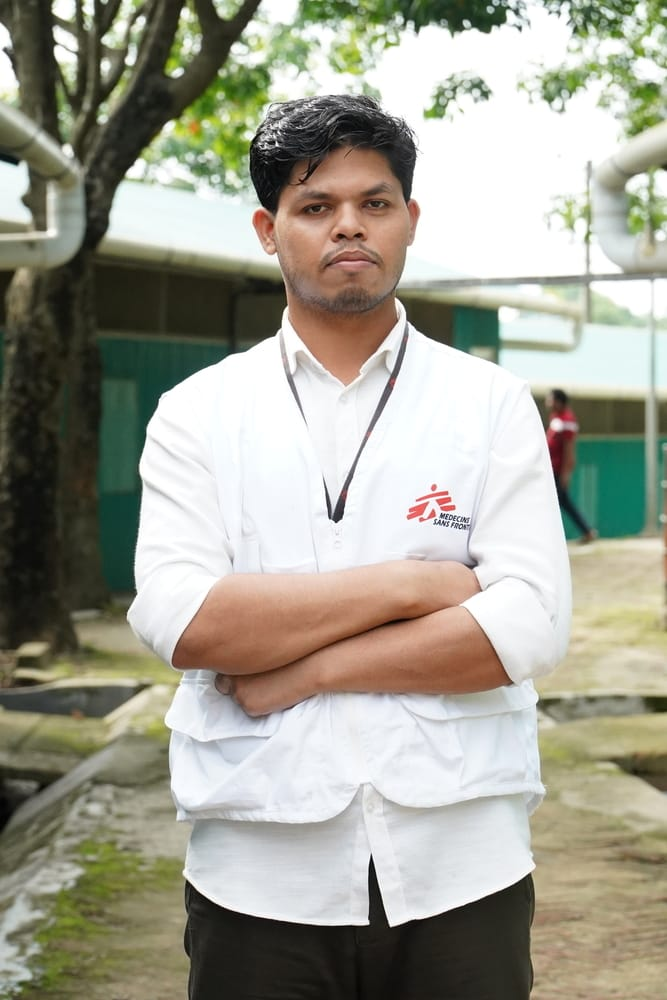
Muhammad Hubaib, a Rohingya refugee and MSF camp-based team member
"This latest cycle of conflict differs from 2017, marked by fighting between the Myanmar Armed Forces and the Arakan Army since late 2023. While all communities in Rakhine State are impacted, Rohingya are once again bearing the greatest consequences, forced from their homes and driven to make deadly journeys in search of safety," the report states. [Amnesty International](https://www.amnesty.org/en/latest/news/2025/08/8-years-on-accountability-needed-for-myanmar-atrocities-against-rohingya/)
A Million People in Limbo
Today, more than one million Rohingya refugees live in the camps of Cox's Bazar. Many have spent years in overcrowded shelters with limited opportunities to move freely, earn an income, or build a future. [Amnesty International](https://www.amnesty.org/en/latest/news/2025/08/8-years-on-accountability-needed-for-myanmar-atrocities-against-rohingya/)
For Hubaib, who fled Myanmar in 2017 and now works with MSF while volunteering as a teacher for Rohingya youth, the situation is deeply personal.


